

Coral Restoration at Scale: Growth, Research and New Opportunities
Ocean Gardener x ClubOcean®

This quarter marked major progress for Ocean Gardener, with 14,092 corals planted, bringing the total to 23,902 corals since the beginning of the year. Alongside planting, the team continued monitoring restored reefs through photogrammetry, using 3D mapping to document coral growth, thermal resilience, and early signs of disease at key restoration sites.
Research also moved forward with a new study at Nusa Penida, comparing four coral restoration techniques, Reef Stars, wire mesh, concrete structures, and the traditional rope-and-stake method. The aim is to better understand how each approach performs in terms of ecology, cost, and community impact, helping determine which methods are most appropriate for different reef environments.
Education and knowledge-sharing remained central to the project. Ocean Gardener launched a new three-week coral restoration course entirely in Bahasa Indonesia, training seven community leaders, fisheries officials, and fishermen so they can bring restoration knowledge back to their own communities. The organization also celebrated the graduation of its 8th Coral Restoration Full Certificate group, the first to train using the new Nusa Penida Coral Lab.
Beyond the reef, Ocean Gardener continued expanding its capacity for future conservation work. Founder Vincent Chalias participated in the World Coral Reef Conference in Auckland, connecting with researchers working on coral genetics, resilience, taxonomy, and other emerging fields. Meanwhile, the arrival of Indah, Ocean Gardener’s new 9.8-metre research boat, will allow the team to reach more distant reefs and expand its restoration, research, and education activities. 🪸🌊🔬💙
Learn more about them here
Following Tanit’s Group While the Search for Toñi Continues
Orcas Iberians x ClubOcean®

Cooler Days, Playful Enrichment and a Moment in the Spotlight
Cochrane Polar Bear Habitat x ClubOcean®

September was a busy month at the Cochrane Polar Bear Habitat, where Ganuk and Henry continued to thrive as temperatures began to cool. Swimming remains a favourite activity, with both bears spending hours exploring and enjoying their private lake.
Following the success of previous aquatic enrichment, Henry was introduced to a kayak specially prepared for him by removing its seat and accessories. He quickly carried it into the water and enthusiastically began diving and playing with it. Even after the kayak sank, Henry continued interacting with it underwater, turning the new object into another engaging experience.
September also brought an exciting milestone beyond the habitat itself. “Guardians of the North,” a short film highlighting the Polar Bear Habitat and the care provided to its bears, premiered at three film festivals across Canada. This marked a new level of visibility for the organization and celebrated the dedication of the staff who have devoted their careers to caring for the bears.
From enriching the bears’ daily lives to sharing their story with audiences across Canada, September highlighted both the care behind the scenes and the growing recognition of the Habitat’s work. 🐻❄️🎬💙
Learn more about them here
![]() Taking the Fight Against the Shark Fin Trade to Europe
Taking the Fight Against the Shark Fin Trade to Europe
Shark Guardian x ClubOcean®

Learn more about them here
Community Action Removes 169 kg of Waste from Tanjung Benoa Beach
R.O.L.E Foundation x ClubOcean®

On September 25th, R.O.L.E. Foundation organized a cleanup at Tanjung Benoa Beach, bringing together 80 participants, including R.O.L.E. Foundation staff, Bali WISE students, and volunteers.
During the two-hour cleanup, the team collected a total of 168.98 kg of waste. Residual waste represented the largest proportion at 57.9%, followed by hard plastics at 19.7%, including PET and HDPE bottles, plastic cutlery, bottle caps and straws. Glass bottles accounted for 14.7% of the waste collected.
Once collected, the different materials were carefully sorted for responsible disposal. Glass, hard and soft plastics, rubber slippers, and aluminium cans were sent to Waste Banks, while residual waste and ghost nets were transported to landfill by the R.O.L.E. Foundation team.
By combining direct action with community participation, this September cleanup once again helped reduce waste along Bali’s coastline while encouraging more people to take an active role in protecting the marine environment. 🌊♻️💙
Learn more about them here
A Successful Nesting Season Comes to an End
Dekafok x ClubOcean®

Learn more about them here
From the Gulf of Trieste to Scotland: Advancing Dolphin Research and Awareness
MORIGNEOS x ClubOcean®

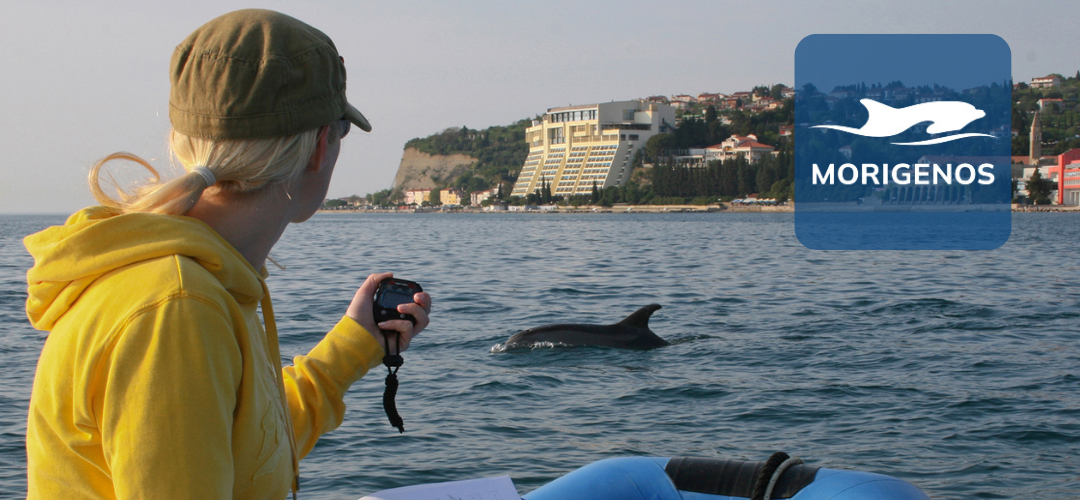
September combined long-term field research, public engagement, and international knowledge-sharing for Morigenos. In the Gulf of Trieste, the team continued its systematic monitoring of bottlenose dolphins, documenting their presence, distribution, group composition, and behaviour.
These regular observations are essential for tracking population trends and habitat use over time, helping researchers understand changes in dolphin occurrence and providing valuable scientific information to support evidence-based conservation of the local population.
Beyond fieldwork, Morigenos participated in several public awareness events, sharing its research and highlighting the importance of protecting dolphins, whales, and their marine habitats.
The month also took Morigenos’ expertise beyond Slovenia. From 8–10 September, President Dr Tilen Genov visited the University of St Andrews in Scotland, where he delivered a seminar and practical workshop for staff and students. Drawing on dolphin research from Slovenia, Africa, and around the world, the visit highlighted how studying cetaceans at both local and international levels can contribute to a broader understanding and protection of these remarkable marine mammals. 🐬🌊🔬💙
Learn more about them here
SANCCOB x ClubOcean®

Learn more about them here
HBSRC x ClubOcean®

4000$ donated this month
Thanks you ! Club Ocean® contributed $3,500 this May to fuel the essential work of our incredible partner organizations worldwide. From Bali’s coral gardens to the nesting beaches of Turkey and the dolphin-filled waters of the Adriatic, your support is making a real difference for ocean and polar wildlife. Together, we’re building a brighter, more sustainable future.
Get ready for the next month update !
Follow us on Instagram to not miss anything! Thanks for reading !
The ClubOcean® team